Gvozdenovic: Parliament should improve proposed Government Law
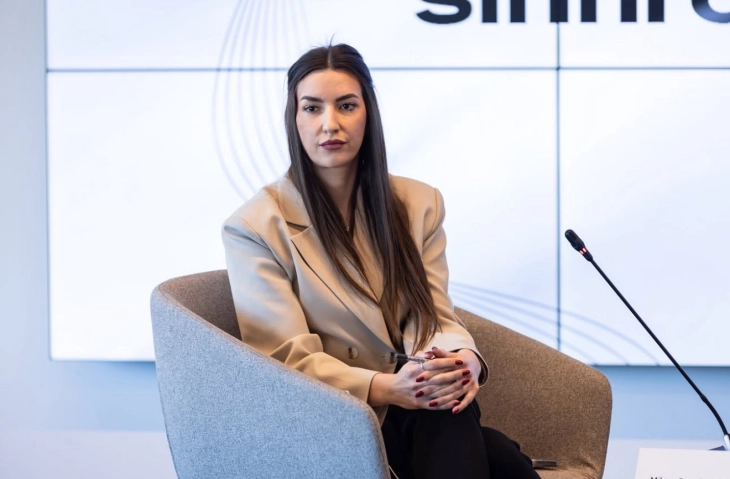
Podgorica, (MINA) – The Center for Democratic Transition (CDT) has called on the Parliament to significantly improve the proposed Law on the Government and, as the NGO stated, not to miss the opportunity to enhance transparency, accountability and the quality of the work of the executive branch.
Deputy executive CDT director Milena Gvozdenovic said that the MPs would be complicit in the attempt to maintain the status quo, if they fail this time to adopt a genuinely reform-oriented Law on the Government.
She believes that the Draft Law on the Government, which entered the parliamentary procedure today, represents a significantly weaker version compared to earlier drafts prepared during the drafting process.
“One of the significant changes compared to earlier versions is the removal of the provision defining the upper limit on the number of government departments, a solution that was also agreed with the Venice Commission”, the press release says.
Gvozdenovic stated that in the previously available version of the draft, it was stipulated that the Government could have a maximum of four deputy PMs and 20 ministers.
“Although limiting the number of ministries alone is not a measure of optimization and rationalization of the executive branch, defining the upper limit would represent at least a minimal safeguard against the practice that in certain periods took on unprecedented proportions, where departments were formed and divided according to the direct dictates of political parties”, said Gvozdenovic.
It is stated that the law also introduces the political responsibility of ministers, without elaborating what this entails, or how it would be implemented.
According to Gvozdenovic, CDT believes that the draft represents a step back in terms of government’s transparency.
She said that the law provides the possibility of holding telephone sessions, but it is not specified what is considered an “emergency” that justifies such a decision-making method.
According to Gvozdenovic, the changes are also noticeable in the relationship between the Government and the Parliament.
“Although the provision requiring the Prime Minister or a member of the Government to attend the Parliament session when a parliamentary question is addressed to them has been retained, the earlier obligation for the Prime Minister and members of the Government to respond to invitation from the parliamentary working bodies and attend control hearing has been removed from the text”, said Gvozdenovic.


