One in ten children experiences sexual violence through digital technologies
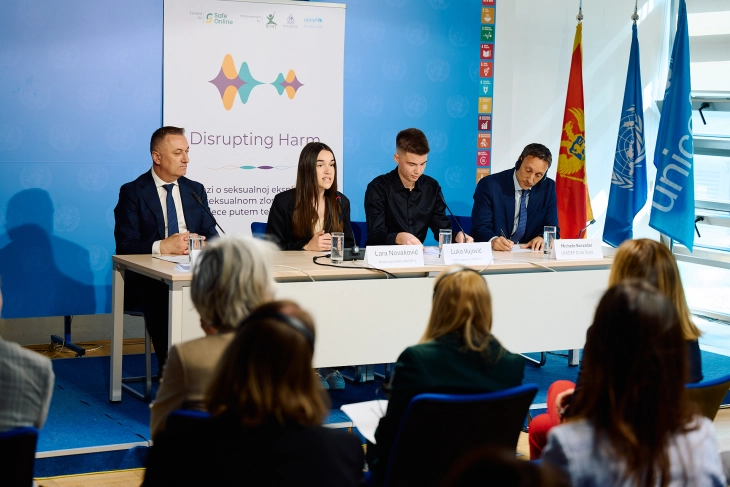
Podgorica, (MINA) - One in ten children aged 12 to 17 in Montenegro who use the Internet has experienced some form of sexual exploitation or sexual abuse through digital technologies, according to the Disrupting Harm report, presented in Podgorica on Friday.
The research, conducted by the UNICEF Office of Research – Innocenti, ECPAT International and INTERPOL, with the financial support from Safe Online and in cooperation with the Government of Montenegro, is part of a global study conducted in 25 countries in six regions of the world.
According to the UNICEF’s press release, the report highlights the need to strengthen legislation and prevention systems, as well as to improve media, digital and AI literacy in families.
“Furthermore, this report calls for the development of child-friendly reporting mechanisms and the creation of a safer online environment and provides concrete recommendations for strengthening prevention and response systems”, the press release says.
UNICEF said that research findings show that violence often occurs within children’s existing relationships, not only with strangers online.
“In 66 percent of cases, the perpetrator was someone the child already knew, such as a peer or a family member. At the same time, in 59 percent of cases, children did not report what happened to anyone, often because they did not recognize it as a serious problem or felt ashamed”, UNICEF said.
According to UNICEF, harmful social norms further worsen the situation.
“Girls are more often faced with stigmatization and blame, while violence against boys is often downplayed or ignored, making it difficult for them to report it and seek support”, the press release said.
UNICEF said that in 82 percent of cases, violence involved social networks.
Head of UNICEF Office in Montenegro, Michele Servadei, said that the sexual exploitation and sexual abuse of children through digital technologies is a serious problem, but one that can be prevented.
“Simply banning social networks is not the solution. The key is to strengthen support programs for parents, raise awareness among children and young people about online risks, promote safe reporting channels and impose stricter sanctions for perpetrators”, emphasized Servadei.
Minister of Social Welfare, Family Care and Demography Damir Gutic said that they are working on establishing the Barnahus model as a key step towards strengthening the system, ensuring that every child who experiences sexual violence receives timely, coordinated and child-friendly support.