MUP: Once adopted, laws do not fall under ASK’s competence
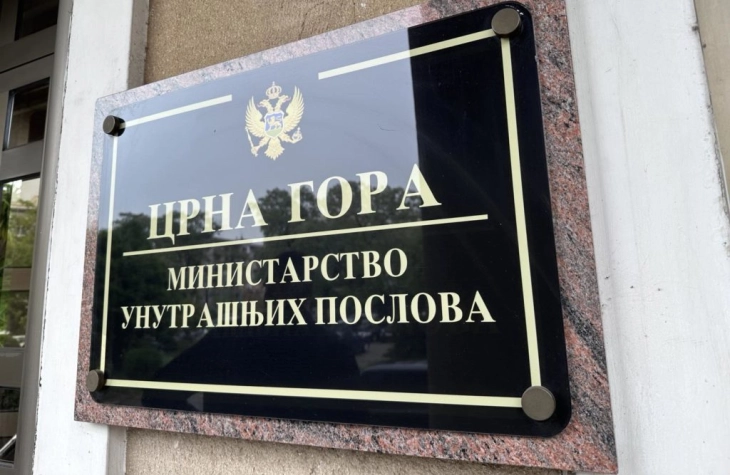
Podgorica, (MINA) – The role of the Agency for the Prevention of Corruption (ASK) is to act preventively, including issuing opinions on draft laws, proposing regulatory changes and identifying corruption risks, while the reviews of already adopted laws fall outside ASK’s jurisdiction, the Ministry of Internal Affairs and the Police Administration stated.
They issued the press release in response to the ASK’s opinion on the Law on Internal Affairs, in which it warned of corruption and institutional risks and the broad discretionary powers granted to minister included in the law.
The Ministry of Interior and the Police Administration stated that the legal provisions adopted by the Parliament on March 6 cannot be subsequently reviewed through the action of independent bodies in a manner that would represent a fundamental revision of the legislation.
“In terms of this, the fact that the ASK issued its opinions on the laws on ANB and internal affairs on May 25 raises questions about the scope and limits of its legally prescribed competences”, the press release says.
The MUP emphasized that the draft amendments to the Law on Internal Affairs from December last year, which had been previously submitted to the ASK by the Ministry of Justice, was agreed with the three relevant directorates of the European Commission, and incorporated into proposal before it was submitted to Parliament.
“The legal text from last year also underwent amendments, which significantly affected the final text of the law”, the press release adds.
The Ministry of Internal Affairs and the Police Administration stated that through the opinion of the ASK itself, as well as through individual interpretations that follow it in the public, space is once again opened for challenging reform-oriented solutions aimed at strengthening the integrity of the police system and its protection from long-standing problems of compromise, corruption and the influence of organized crime.
“It is particularly concerning that such an approach appears at a time when the state has been intensively implementing measures that have not been consistently applied for years, which necessarily raises the question of why such institutional warnings and concerns were not expressed during periods when parts of the security sector were deepening and when the system was exposed to serious forms of compromise”, the Ministry of Interior and the police stated.