Jovovic: Adopting the proposed law without amendments would be a mistake
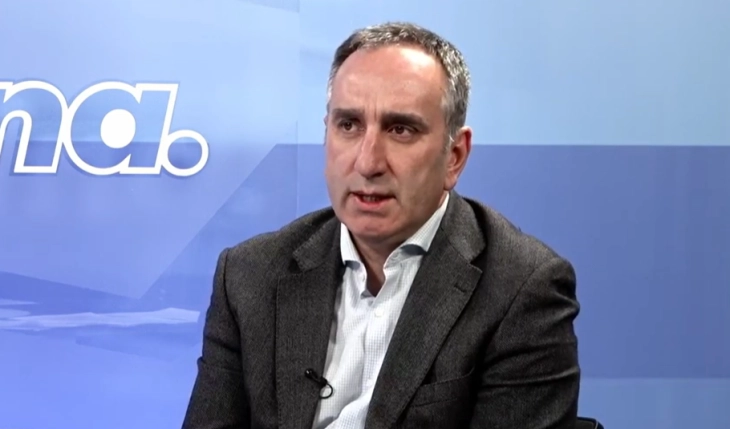
Podgorica, (MINA-BUSINESS) – According to Comp Commerc Director Ranko Jovovic, adopting the Bill on Permanent Seasonal Employment without additional amendments would be a mistake, as it would fail to address labour shortages, the key problem in the tourism industry.
“The biggest mistake would be to adopt the legislative proposal without additional amendments, including the inclusion of foreign workers and full digitalization of the system. In that case, we would get a law that formally regulates seasonal work but does not solve the key problem — labour shortages,” Jovovic told the Mina-business agency.
He said that without a functional and operational employment system, particularly for hiring foreigners, the tourism industry would continue to face the same constrains, potentially affecting its regional competitiveness in the long term.
Jovovic believes that the proposed piece of legislation is an attempt to systematically regulate seasonal employment by introducing the category of a “permanent seasonal worker.”
“In that segment, certain suggestions from the business community have been partially accepted. First of all, I am referring to the automation of part of the procedures through the Tax Administration, the inclusion of certain categories of domestic workforce such as the unemployed, students and pensioners, as well as the introduction of compensation during off-season months, which aims to ensure continuity of engagement,” said Jovovic, who chairs the Tourism and Hospitality Association Board at the Chamber of Commerce (PKCG).
He added that requiring employers to pay contributions even when workers are not actively employed raises serious questions about the sustainability of such a model in tourism and hospitality.
“These sectors operate in highly seasonal conditions, where the majority of revenue is concentrated in a limited part of the year. By introducing a year-round obligation to pay contributions for seasonal workers, labour costs are extended to periods of reduced business activity, which significantly affects overall financial performance,” Jovovic explained.


