CBCG does not initiate forced collection procedures or determine the existence of debt
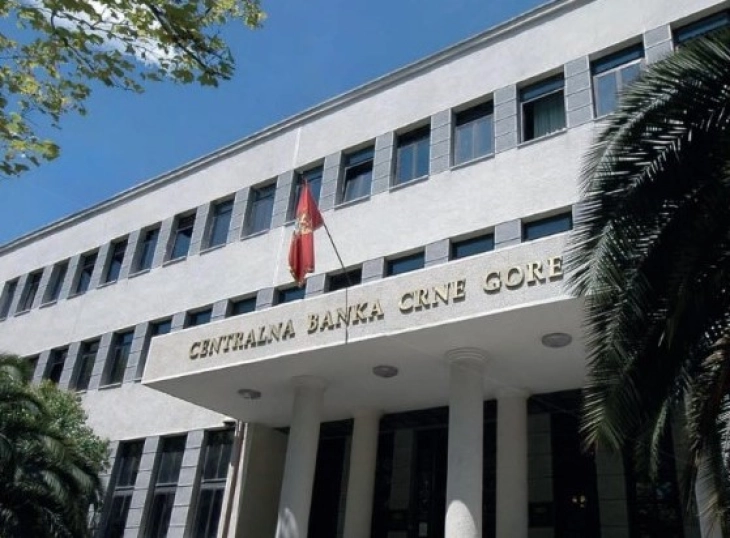
Podgorica, (MINA-BUSINESS) – The Central Bank (CBCG) does not initiate forced collection proceedings, does not determine the existence of debt, and does not decide on the rights and obligations of parties in such procedures, the supreme monetary authority clarified regarding the enforcement process involving the account of the Municipality of Budva.
The CBCG responded to public claims regarding its role in the forced collection procedure involving the account of the Municipality of Budva, particularly allegations that it “allowed the account to be frozen without prior notice” and insinuations of possible political influence on its actions.
“The CBCG executes the forced collection of funds from the accounts of legal entities and entrepreneurs, in accordance with the law governing enforcement and security, based on enforcement orders issued by competent authorities,” the CBCG said in a press release, signed by Director of the Payment Operations Sector Andrija Jovovic.
He explained that the CBCG’s role in this process is clearly defined by law and is limited to executing formally correct orders from competent authorities. It is legally obliged, upon receiving such an order, to act without delay, meaning it must carry out the collection from the debtor’s account where funds are available, in favour of the creditor’s account, according to the order and time of receipt of the instruction.
“In this specific case, the CBCG received an enforcement order from the competent public bailiff on April 29, which was executed in accordance with the previously described legal procedure,” Jovovic stated.
He further specified that in the enforcement process, the CBCG has no authority to notify the debtor in advance about the receipt of a forced collection order.
“The CBCG checks only the formal validity of submitted enforcement orders, without the authority to review the correctness of enforcement or authentic documents, nor to assess the validity of claims. Responsibility for the legality and content of the acts on which enforcement is based lies with the authority that issued them, in this case the public bailiff,” Jovovic said.
He added that claims and insinuations of political influence on CBCG’s actions are therefore completely unfounded.


